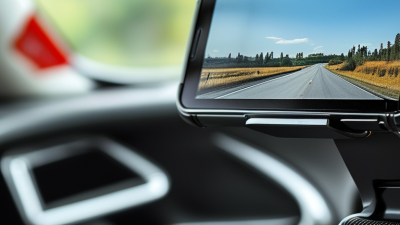
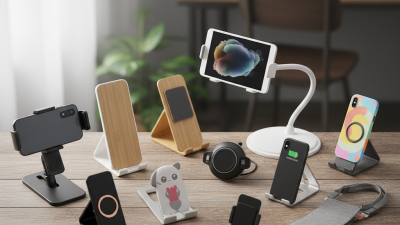
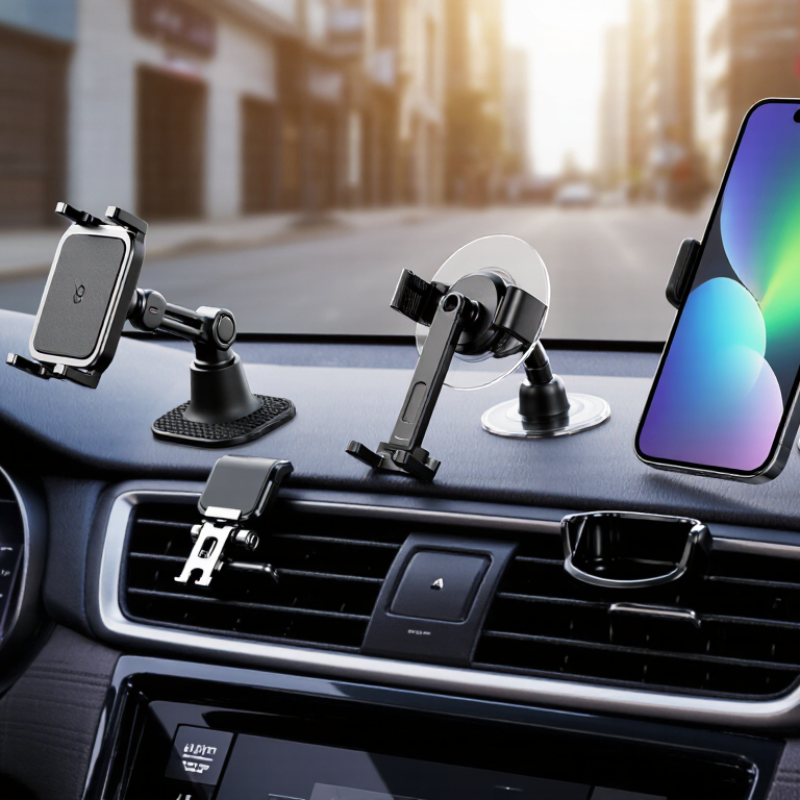
Choosing the right Phone Holder For Car in 2026 requires more than checking its appearance. Drivers need stability, clear visibility, simple adjustment, and dependable performance across different road conditions. A dashboard mount may suit smooth surfaces, while a vent holder can save space in smaller cabins. Windshield mounts offer flexible positioning, but heat and suction loss can become concerns during long summer drives. Cup-holder designs provide strong support, although they may occupy useful storage space.
John D. Lee, a human-factors researcher known for studying driver attention, emphasizes a practical principle: “Technology should support driving, not compete with it.” This idea should guide every Phone Holder For Car purchase. A reliable model keeps the screen near eye level without blocking the road. It should also resist vibration on uneven streets, hold a heavier phone case, and release the device without awkward force. Wireless charging is useful, but heat management and charging consistency still deserve careful inspection.
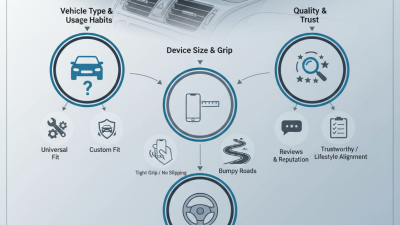
No single design fits every vehicle. That is the inconvenient truth. Buyers should measure dashboard texture, vent strength, phone size, and driving habits before choosing. I have found that attractive holders can disappoint after repeated adjustments. Some clamps weaken. Some adhesives leave residue. A careful comparison of materials, testing claims, warranty terms, and verified user feedback creates a more trustworthy decision. The best holder is not always the most expensive one. It is the model that stays secure, keeps attention on traffic, and works quietly every day.
What Defines the Best Car Phone Holder in 2026
The best car phone holder should keep a phone secure without blocking the driver’s view. A strong design uses a stable mount, firm grips, and smooth adjustment points. It should hold different phone sizes, including models with protective cases. Compatibility matters more than appearance.
In practical use, I test a holder on rough roads, sharp turns, and sudden braking. The phone should remain steady, while the screen stays easy to read. A clear viewing angle reduces unnecessary eye movement. The mount should also allow one-handed placement without forcing the driver to reach across the cabin. Heat resistance and durable materials deserve attention, especially during long summer journeys. Some holders feel solid at first but loosen after repeated adjustments. That weakness is easy to miss.
Tips: Check the mount before every trip. Keep the screen below your normal line of sight. Test the holder with your thickest phone case. Avoid placing it where airbags, controls, or visibility may be affected. A cable should not cross the steering area. Small details matter.
No holder fits every car. Dashboard texture, vent shape, and windshield position can change performance. I prefer testing several mounting locations before choosing one. The “best” option is not always the most expensive or the most attractive. It is the one that stays stable, remains convenient, and supports safer driving habits. Even then, perfection is unlikely.
| Holder Type | Best For | Typical Mounting Location | Typical Phone Compatibility | Main Advantages | Main Limitations | Key Buying Check |
|---|---|---|---|---|---|---|
| Dashboard Pad or Adhesive Mount | Drivers who want a low, central viewing position | Flat or slightly curved dashboard surfaces | Most phones approximately 60–90 mm wide and up to about 12 mm thick | Stable viewing angle; does not block the windshield; usually supports one-hand adjustment | Adhesive performance can decline in heat, dust, or on textured dashboards | Check surface texture, adhesive temperature rating, and distance from airbags |
| Windshield Suction Mount | Vehicles without a suitable dashboard mounting area | Windshield glass, usually near the lower corner | Most standard and large-screen phones with adjustable side arms | Flexible positioning; reusable; commonly offers long extension arms and 360-degree rotation | Can reduce visibility if positioned incorrectly; suction may weaken with dirt or temperature changes | Choose a short, rigid arm and keep the holder outside the driver’s primary view |
| Air-Vent Clip Mount | Compact interiors and short-distance navigation | Horizontal or vertical dashboard air vents | Most phones approximately 60–85 mm wide; case thickness depends on the clamp | Small footprint; quick installation; leaves the windshield unobstructed | May restrict airflow; heavy phones can move the vent; unsuitable for weak or motorized vents | Verify vent-blade strength, clip depth, phone weight limit, and charging-cable clearance |
| CD-Slot Mount | Older vehicles with an unused dashboard CD player | CD-player slot in the center console | Most phones supported by adjustable clamps or magnetic plates | Central position; generally stable; does not use glass, adhesive, or air vents | Not compatible with every slot; may cover controls or prevent CD use | Measure slot thickness and confirm that the locking mechanism will not damage the player |
| Cup-Holder Mount | Large vehicles, trucks, and users needing a heavy-duty base | Front-console cup holder | Standard, large, and rugged phones; often suitable for thicker protective cases | Strong base; useful for heavier devices; avoids glass and vent interference | Can occupy a drink holder; screen may sit lower or farther from the driver | Measure cup-holder diameter, depth, and nearby console clearance before purchase |
| Magnetic Mount | Fast attachment and removal during frequent driving | Dashboard, windshield, vent, or CD-slot base | Phones or cases fitted with a compatible magnetic ring or plate | Quick one-handed use; minimal side-arm obstruction; easy portrait or landscape rotation | Magnetic force depends on alignment, case thickness, and device weight; plate placement may affect wireless charging | Check magnet strength, ring alignment, case compatibility, and wireless-charging clearance |
| Spring-Clamp Mount | Users who prefer no adhesive plate or magnetic accessory | Any compatible dashboard, vent, windshield, or console base | Usually phones approximately 55–90 mm wide, depending on the clamp design | Broad device compatibility; secure grip; works with many cases | Requires two-handed insertion on some models; side buttons or ports may be covered | Confirm minimum and maximum clamp width, padding material, and button clearance |
| Wireless-Charging Mount | Drivers who need navigation while maintaining battery level | Dashboard, windshield, vent, or console base | Qi-compatible phones; charging performance depends on phone, case, alignment, and power source | Reduces cable handling; can combine phone support and charging in one unit | Generates heat; may charge slowly; requires a suitable vehicle power adapter and correct alignment | Check charging standard, input power, thermal protection, case thickness, and cable routing |