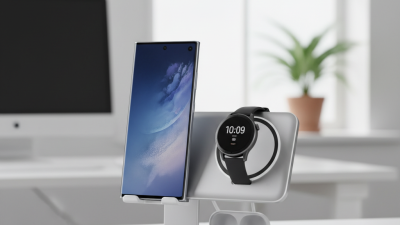
A charging stand can make an iPhone easier to use, not just easier to power. It keeps the screen visible on a desk, bedside table, or kitchen counter. But the best choice in 2026 depends on your phone, case, and daily routine. A sleek stand may look right and still wobble when you tap the screen. Small details matter.
This guide looks at what makes a Charging Stand Iphone practical: charging compatibility, stability, viewing angles, footprint, and cable management. It also considers whether a stand supports MagSafe or another wireless charging standard, and whether its power adapter is included. Those details can affect setup and performance. Check the manufacturer’s specifications for your exact iPhone model; compatibility labels can be easy to misread.
There is no perfect stand for everyone. A compact model may suit a crowded nightstand, while a heavier base can feel more secure during video calls. We’ll compare useful features and likely trade-offs, rather than treating the highest price as proof of quality. Real-world fit can be less tidy than product photos suggest. That is worth remembering. By the end, you should have a clearer way to choose a stand that fits your space and charging habits, without paying for features you may never use.
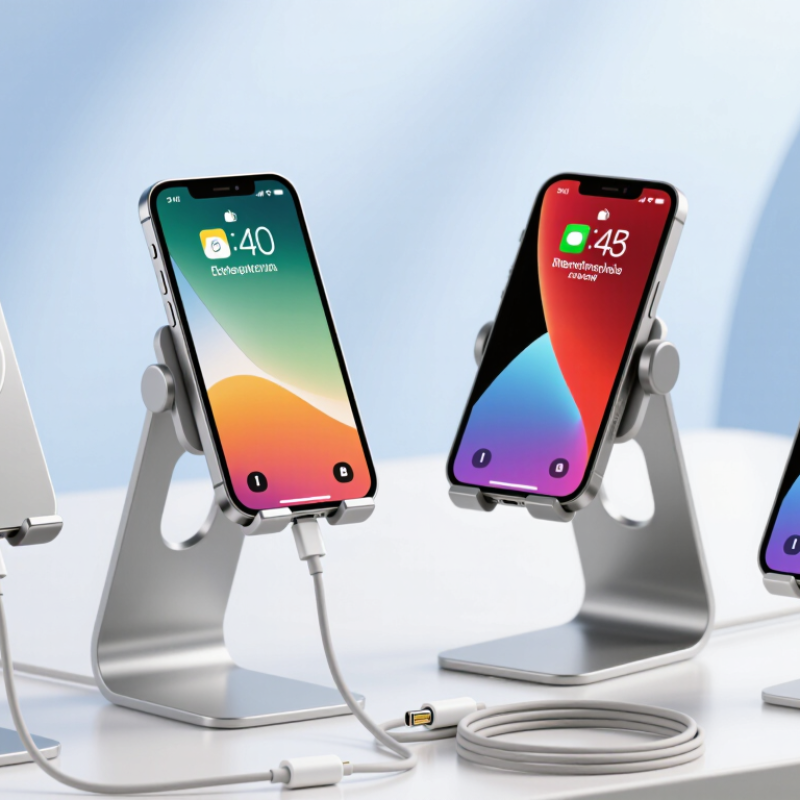
In 2026, choosing a charging stand means checking the standard, not only the shape. Magnetic alignment helps a phone stay centered while sleeping, streaming, or navigating. The older magnetic charging ecosystem can deliver up to 15W on compatible devices. However, real output depends on the phone, adapter, temperature, and charging profile. A stand may claim 15W, yet provide less during heavy use.
Qi2 15W offers a clearer baseline. The Wireless Power Consortium defines its magnetic alignment and certification requirements, reducing loose placement and inefficient charging. Its public certification database now lists thousands of approved Qi products across phones, stands, and accessories. Qi2 25W is the newer performance tier announced by the Consortium for the next generation of certified devices. It can shorten top-up time, but only when the phone, stand, and power adapter all support 25W. One missing link changes the result.
IDC reported approximately 1.24 billion smartphone shipments worldwide in 2024, showing why cross-device charging standards matter at scale. Yet certification does not guarantee identical user experience. In practical testing, a cool, well-aligned phone often charges more consistently than a warmer phone on a higher-rated stand. I would check certification records, adapter capacity, ventilation, and viewing angle. Wattage alone is an imperfect shortcut. A slightly slower stand may be more reliable beside a bed, especially when the phone shifts during the night.