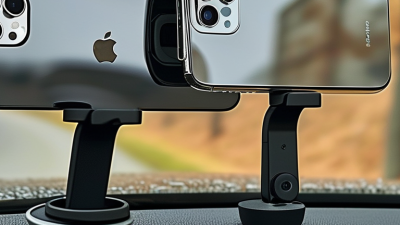
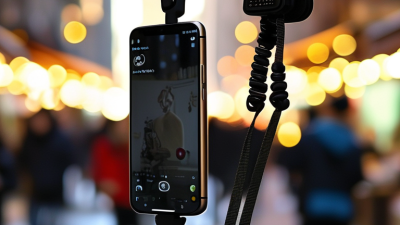
Modern drivers increasingly rely on smartphones for navigation, calls, music, and real-time traffic updates. The GSMA Mobile Economy 2024 report describes smartphones as central tools in everyday digital life, not occasional accessories. For iPhone users, that dependence creates a simple in-car problem: the device must remain visible, stable, and reachable without blocking essential controls. A Magnetic Car Holder For Iphone offers a clean solution. It uses magnetic alignment to position a compatible iPhone or MagSafe case near eye level. The dashboard stays less crowded. Cable access also becomes easier.
The design has practical support behind it. Apple’s MagSafe system uses an integrated ring of magnets for reliable accessory alignment, while Qi2 certification continues to improve magnetic wireless-charging compatibility across the industry. The Wireless Power Consortium identifies Qi2 as a major step toward better alignment and charging efficiency. That matters during short journeys, when placing an iPhone onto a holder should feel almost automatic. It should not require two hands.
Safety still deserves honesty. It is not a magic safety device. NHTSA reported 3,275 deaths involving distracted driving in the United States during 2023. A well-positioned holder can reduce hand searching and awkward glances, but it cannot remove driver distraction. Installation matters too. Test the mount on a stationary vehicle, check visibility, and confirm that the magnet holds securely over bumps. Some cases are too thick. Some holders loosen in heat. This is where product quality, vehicle compatibility, and responsible use become more important than attractive specifications. The best choice is not merely strong. It is predictable, accessible, and unobtrusive.
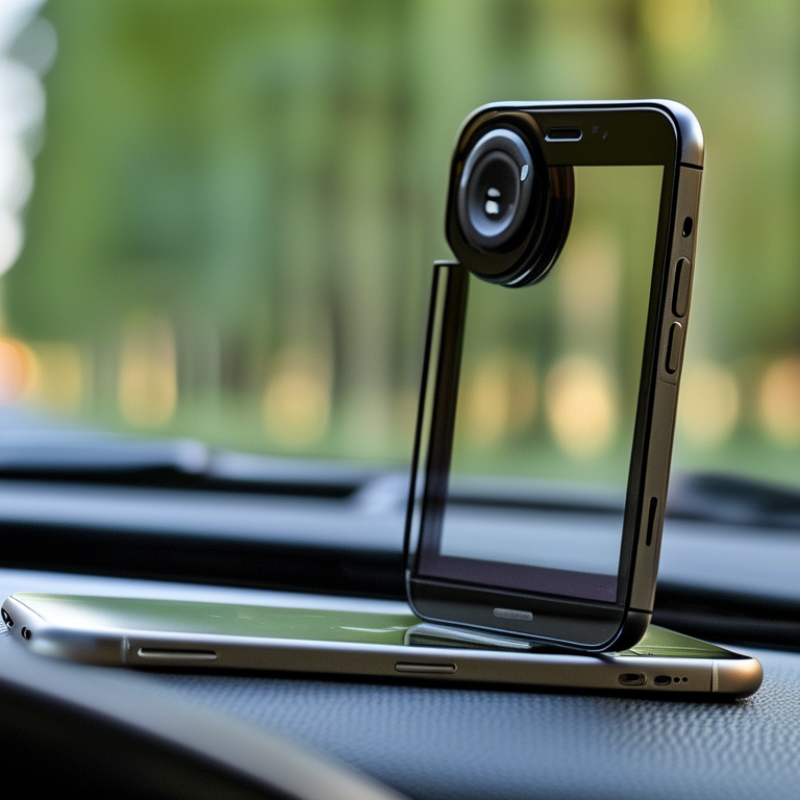
A magnetic car holder for iPhone is a compact mount that secures a phone with magnetic force. It usually includes a dashboard, vent, or windshield base. A thin metal ring attaches to the phone case or its inner surface. When the phone moves near the mount, the magnets guide it into position. No spring-loaded arms are required. The result feels quick and tidy during daily driving.
From practical use, alignment matters more than expected. A slightly misplaced ring can make the phone tilt or fall on rough roads. The mounting surface must stay clean and dry. Drivers should also place the holder where it does not block the windshield or essential controls. Some models support wireless charging, but charging performance can change with thick cases or poor alignment. Strong magnets are useful, yet they do not replace a stable base. I once trusted a loose vent mount too much, and the phone slowly pointed toward the floor. That small failure changed how I judge holders. Check the mount after installation, especially before longer trips. It is convenient, but not careless-proof.
| Data Dimension | What It Is or How It Works | Practical Benefit | What to Check Before Buying |
|---|---|---|---|
| Magnetic attachment | The holder uses magnets to align and secure a compatible phone or a phone case fitted with a magnetic ring. | The phone can usually be mounted and removed with one hand. | Confirm that the phone, case, or included ring provides a suitable magnetic connection. |
| Mounting position | Common mounting options include air-vent clips, dashboard bases, windshield mounts, and cup-holder mounts. | Different positions can provide better visibility and easier access depending on the vehicle interior. | Make sure the chosen location does not block the driver’s view, controls, airbags, or safety equipment. |
| One-handed operation | Magnetic alignment reduces the need to open or close mechanical side clamps when placing the phone. | It can make navigation and hands-free calling more convenient while the vehicle is stationary. | The mount should hold the phone securely during braking, turning, and normal road vibration. |
| Portrait and landscape use | Many magnetic holders use a rotating joint that allows the phone to be positioned vertically or horizontally. | Portrait mode is useful for calls, while landscape mode can suit navigation and media controls. | Look for a firm swivel joint that stays in position without excessive movement. |
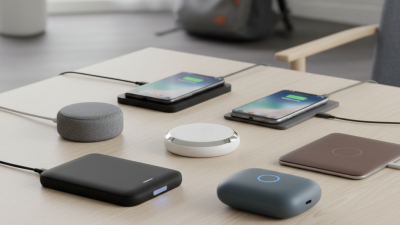
| Wireless charging | Some magnetic car holders include a wireless charging coil; charging performance depends on the phone, charger, alignment, cable, and vehicle power source. | The phone may charge while mounted, reducing the need for a separate charging cable during short trips. | Check the charger’s supported power output and whether the phone case affects charging or alignment. |
| Charging limitations | Wireless charging can generate heat and may charge more slowly than a wired connection, especially during navigation or in a hot cabin. | Understanding the limitation helps prevent unrealistic expectations about charging speed. | Use a suitable power adapter and keep the phone and charger away from excessive heat. |
| Magnetic strength | Holding performance depends on magnet design, phone weight, case thickness, surface condition, and road vibration. | A properly matched magnetic connection can reduce accidental drops while driving. | Avoid relying on a weak or poorly aligned connection, particularly with heavy or rugged cases. |
| Case compatibility | Thick, uneven, metal, or poorly fitted cases can reduce magnetic contact and interfere with wireless charging. | A compatible case helps maintain reliable attachment and more consistent charging. | Check the case thickness, material, magnetic ring position, and charging compatibility. |
| Dashboard visibility | A correctly positioned holder places the phone within viewing range without requiring the driver to hold it. | It supports hands-free navigation and can reduce unnecessary handling of the phone. | Set navigation and route information before driving, and follow local hands-free driving laws. |
| Installation stability | The base may use a clip, suction pad, adhesive surface, or another mechanical mounting method. | A stable base helps prevent shaking and keeps the display easier to read. | Clean the mounting surface and verify that the installation method suits the vehicle material and climate. |
| Accessibility | A magnetic holder keeps the phone in a predictable location instead of leaving it on a seat or in a storage compartment. | The driver can view notifications, navigation, or incoming calls more conveniently without searching for the phone. | Use hands-free controls whenever possible and avoid interacting with the screen while the vehicle is moving. |
| Best use case | Magnetic holders are designed mainly for quick mounting, stable viewing, and optional wireless charging in a vehicle. | They are suitable for drivers who frequently use navigation or need a consistent phone position. | Choose a mechanical clamp or another mounting style if the phone or case cannot provide reliable magnetic attachment. |