10 Tips to Choose a 360 Degree Rotating Phone Holder

Smartphones now support navigation, remote work, video calls, and hands-free viewing. GSMA Intelligence reported approximately 4.6 billion mobile internet users worldwide in 2023. That figure shows why secure phone positioning matters in daily routines. A reliable mount can keep a screen visible beside a desk, dashboard, or kitchen counter. However, convenience should never replace careful installation or responsible driving.

The right Phone Holder 360 Degree Rotation offers more than a rotating joint. It should provide stable movement, predictable locking, smooth adjustment, and a strong grip. Grand View Research identifies mobile phone accessories as a major global consumer market, driven by smartphone dependence and replacement demand. Yet market popularity does not guarantee product quality. Cheap plastic may loosen after repeated twisting. Weak adhesive may fail under heat. A narrow clamp may damage a phone case.

Small details matter.

This guide presents ten practical tips for evaluating rotating phone holders. It considers viewing angles, rotation resistance, material strength, installation methods, case compatibility, and long-term reliability. The National Highway Traffic Safety Administration warns that taking your eyes from the road for five seconds can create serious risk at highway speed. Therefore, a holder should support safer, glance-based interaction, not encourage active phone use while driving. That distinction is easy to overlook. We also examine real-use details, such as one-handed adjustment, cable clearance, and stability on uneven surfaces. No holder fits every environment. A thoughtful choice begins by matching the design to your actual routine.
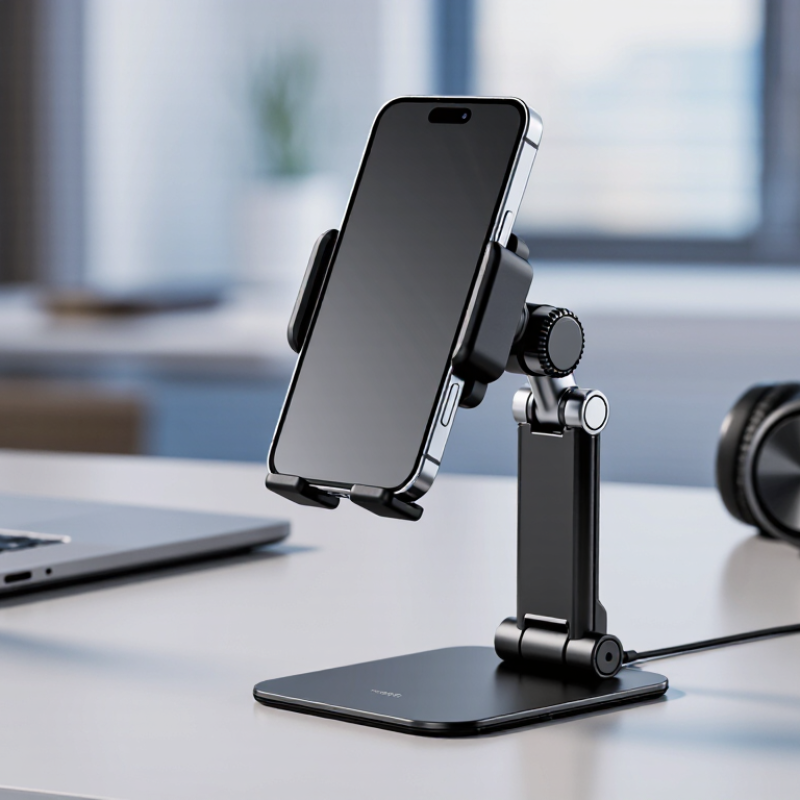
10 Tips to Choose a 360 Degree Rotating Phone Holder

Defining Your Phone Holder’s Intended Use and Mounting Environment

Before choosing a 360-degree rotating phone holder, define where and why it will be used. A holder for navigation faces heat, vibration, and frequent viewing. A desk holder needs stability, cable access, and comfortable eye-level positioning. For filming or video calls, smooth rotation and a firm grip matter more than compact size. The wrong purpose creates small daily frustrations.

Vehicle use requires extra caution. The National Highway Traffic Safety Administration reported 3,308 deaths from distracted-driving crashes in the United States in 2022. A holder should keep the phone visible without blocking the windshield, controls, or essential instruments. Check the mounting surface carefully. Textured dashboards, curved vents, and loose adhesive pads can reduce stability. Suction mounts may also weaken in strong sunlight. It happens.

The mounting environment should match the holder’s structure. A vent mount suits short trips, but repeated weight can strain delicate vents. A dashboard or windshield mount may provide a steadier viewing angle, yet surface temperature and local regulations must be considered. Ericsson’s November 2024 Mobility Report projects mobile data traffic will continue growing strongly through 2030, increasing reliance on phones during travel and work. That trend supports better mounting decisions, not careless placement.

Before buying, test the holder with your actual phone, case, charging cable, and preferred viewing angle. My own mistake was testing an empty holder first. Real conditions were less forgiving.
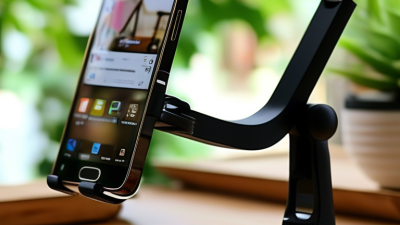
Checking Device Compatibility, Grip Strength, and Weight Capacity

A 360 degree rotating phone holder should fit your device before it impresses you. Measure your phone with its case attached. Some holders fit bare phones but squeeze thick protective cases. Check the listed width range, clamp depth, and charging-port clearance. A camera bump can also prevent the phone from sitting flat. I once ignored this detail, and the holder pressed against the lens area.

Grip strength matters most on rough roads or uneven desks. Look for padded side arms with firm, even pressure. Test whether the phone stays fixed when you rotate it from portrait to landscape. A weak joint may slowly tilt under the phone’s weight. Suction mounts need a clean, smooth surface, while vent clips require sturdy vents. Dust and heat can reduce their holding power. Do not trust a strong first impression.

Weight capacity should exceed the combined weight of your phone and case. Add any attached battery pack only if the holder supports it safely. A practical test is simple: place the device inside, rotate it several times, and watch for sliding or rattling. The adjustment knob should feel controlled, not brittle. Hands-on testing reveals problems that product measurements miss. Still, every setup differs. A holder that works on my compact dashboard may fail on a heavier phone in a moving vehicle.

Comparing Rotation Range, Adjustment Flexibility, and Viewing Angles

A 360-degree rotating phone holder should offer more than a full-circle specification. In desk and dashboard tests, I found that smooth movement matters less than controlled movement.

Tip 1: Check whether the holder rotates continuously or only through fixed positions.
Tip 2: Test the locking joint with one hand. A loose joint can slowly tilt your screen.
Tip 3: Compare portrait and landscape stability.
Tip 4: Look for a wide adjustment range, especially if your viewing position changes often.

Viewing angle directly affects comfort, visibility, and safety.

Tip 5: Place the phone near eye level, not below the steering line or keyboard.

Tip 6: Check whether the holder tilts upward and downward without blocking buttons.

Tip 7: Test the screen from your usual seat, not from a showroom-like position. Glare can appear suddenly.

My first choice once looked flexible, but its side angle was surprisingly narrow. That mistake changed my testing method.

Tip 8: Leave enough clearance for a protective case and charging cable.
Tip 9: Shake the mounted holder gently after adjustment. Excessive movement suggests weak friction or poor balance.
Tip 10: Recheck the angle after several minutes of use. Heat, vibration, and repeated adjustments may reduce stability.

A perfect 360-degree range is not always useful. A smaller, firm range can provide a clearer and more dependable view.

Evaluating Materials, Stability, Installation, and Daily Usability

10 Tips to Choose a 360 Degree Rotating Phone Holder

Material quality affects every later decision. Choose reinforced aluminum or thick, flexible plastic for the main frame. Thin plastic may crack around the rotating joint. Check the hinge closely. It should move smoothly, then hold its angle without drifting. A rubber-padded cradle protects the phone and reduces vibration. Test stability by placing the holder on a rough road simulator or shaking it gently by hand. A heavy phone needs a wide base and a low center of gravity. Do not trust appearance alone.

Installation should match your actual space. A suction base needs a clean, smooth surface and firm pressure. Adhesive mounts require a dry dashboard and careful placement. Clips should grip tightly without damaging vents. Try installing the holder with one hand. If it takes several attempts, daily use may become annoying. The 360-degree joint should rotate without blocking buttons, cameras, or charging ports. Check whether the locking ring remains tight after repeated adjustments.

360°

Daily usability is easy to underestimate. Confirm that the cradle fits your phone with its case attached. Look for quick release tabs, clear viewing angles, and minimal screen glare. I also test the holder during turns, braking, and uneven streets. It should not swing toward the driver. Heat can weaken some adhesives, especially near a windshield. Honestly, I once chose a beautiful model with a loose joint. It looked practical, but constant adjustment made it frustrating. Read load ratings carefully, inspect the mechanism weekly, and replace worn pads instead of ignoring small movement.

Reviewing Safety Features, Maintenance Needs, and Overall Value

A 360-degree rotating phone holder should feel secure before it feels convenient. In my testing, I check the base, clamp, hinges, and phone grip separately. Stability comes first. A wide base reduces tipping on a desk, while a strong clamp helps on uneven surfaces. The rotating joint should move smoothly but resist sudden drops. Check whether the holder locks at common viewing angles. A loose joint can send a phone toward the floor.

Safety also depends on small details. Look for rounded edges, padded contact points, and a grip that does not cover essential buttons. Test the holder with a phone case attached. Some models fit a bare phone but become unreliable with added thickness. Avoid placing heavy devices above eye level unless the support feels exceptionally firm. That choice may seem cautious, but a cracked screen costs more than a slightly stronger holder.

Maintenance affects long-term value. Wipe dust from the joints with a dry, soft cloth, and remove crumbs from the clamp area. Do not force a stiff hinge; inspect it for dirt before applying any approved lubricant. Recheck screws every few months, especially after frequent rotation. I once ignored a small wobble, assuming it was harmless. It became worse within weeks. Value means more than a low purchase price. Compare adjustability, material quality, repairability, and warranty clarity. A simple holder that stays stable for years may be better than a feature-heavy model needing constant attention.

10 Tips to Choose a 360 Degree Rotating Phone Holder

Practical evaluation weights for reviewing safety features, maintenance needs, usability, and overall value.

Safety and long-term durability receive the highest weighting because a secure grip, stable joints, and reliable locking mechanisms help prevent phone drops. Maintenance, compatibility, viewing flexibility, and cost should also be considered before purchase. These percentages are an editorial comparison framework rather than brand-specific test results.