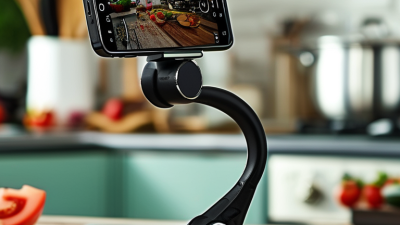
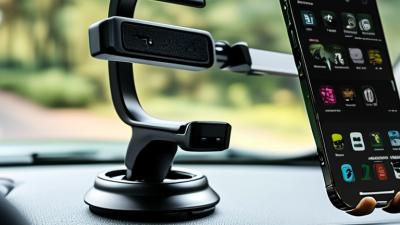
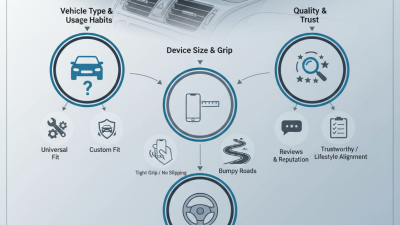
Choosing the right Car Holder supplier in China involves more than comparing catalog prices. A reliable supplier must combine stable manufacturing, thoughtful design, material safety, and responsive communication. Small details matter. A loose clamp, weak magnet, or brittle vent hook can turn a convenient accessory into a daily frustration.
Dr. David Strayer, a respected human-factors and automotive distraction researcher, said, “The human brain is not capable of doing two things at once.” His warning matters here. A well-designed Car Holder should keep the phone visible without blocking the driver’s view or encouraging unsafe handling. It should support steady navigation, not create another distraction.
This guide reviews ten leading China Car Holder suppliers through practical sourcing criteria. These include production experience, quality-control systems, mounting strength, device compatibility, customization options, packaging, and after-sales support. Factory audits, sample testing, and clear communication should guide every decision. A polished website is not enough.
No supplier is perfect. Even an experienced manufacturer may have inconsistent batches or delayed responses during busy seasons. That reality deserves attention. Buyers should test holders on rough roads, inspect plastic joints, and check whether the adhesive remains stable after heat exposure. Cost also needs careful interpretation. The cheapest quotation may hide weaker materials, limited warranty support, or high defect rates.
The best choice depends on your market, vehicle types, order volume, and quality expectations. This comparison offers a practical starting point, not an unquestionable verdict. A careful supplier can become a long-term partner. A rushed choice may become an expensive lesson.
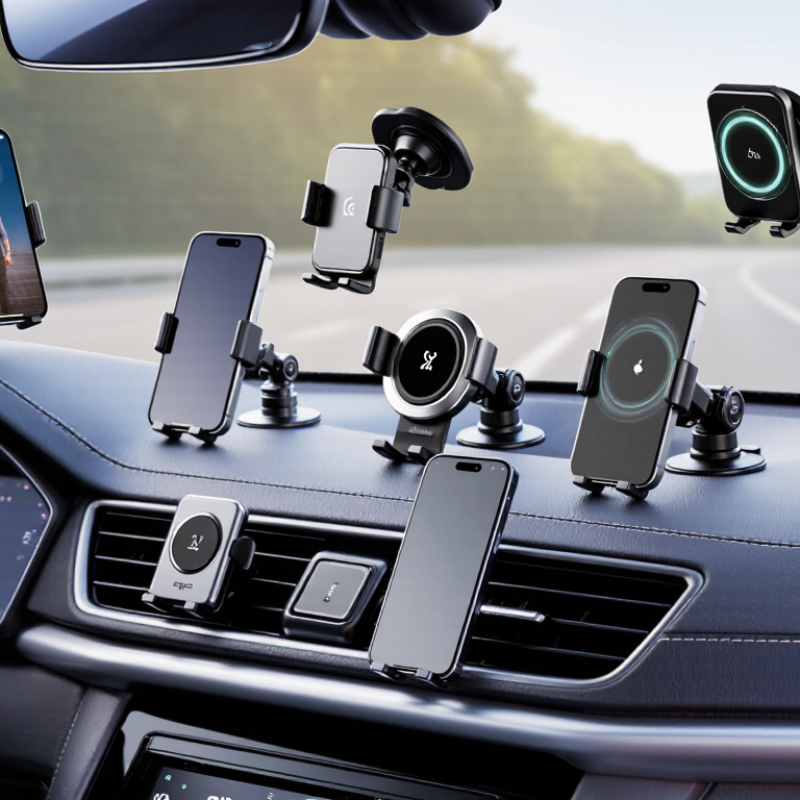
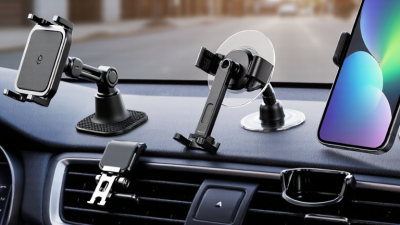
A car holder is a small device that keeps a phone, tablet, or navigation screen within view during travel. Common designs attach to the dashboard, windshield, air vent, or cup holder. Its value depends on more than appearance. A weak grip can let a phone fall over a rough road. Poor placement can also block visibility or interfere with vehicle controls.
Supplier choice matters because production quality is often hidden inside simple parts. Reliable suppliers should explain their materials, load testing, temperature resistance, and attachment methods. They should provide clear samples and consistent measurements. During practical checks, I look for stable joints, smooth adjustment, and a release button that works with one hand. Small details matter. A loose hinge rarely improves with use.
A supplier’s technical files, factory inspection process, and response speed also deserve attention. Clear communication helps prevent incorrect molds, weak adhesive pads, and unsuitable phone dimensions. Certification documents may support buyer confidence, but they should be verified rather than accepted blindly. Price still matters, especially for large orders, yet the cheapest option can create higher return rates and customer complaints. I have seen attractive samples perform differently in repeated testing. That is a useful warning. Choosing among China’s top suppliers should therefore involve samples, measurable standards, production audits, and honest discussion about weaknesses. A polished catalog is not enough.